Intracytoplasmic Sperm Injection (ICSI)

This pioneering technique at Parency IVF Hospital offers a beam of hope to couples facing fertility challenges by directly injecting a single sperm into an egg, overcoming various male infertility issues. Leap into the science behind ICSI, explore its applications in fertility treatments, and discover how it has transformed the landscape of assisted conception, offering new possibilities for aspiring parents worldwide.

What is ICSI (Intracytoplasmic Sperm Injection)?

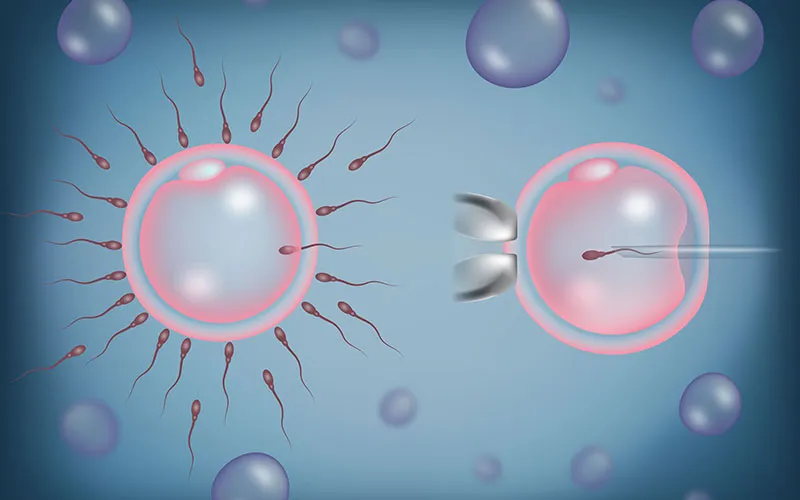
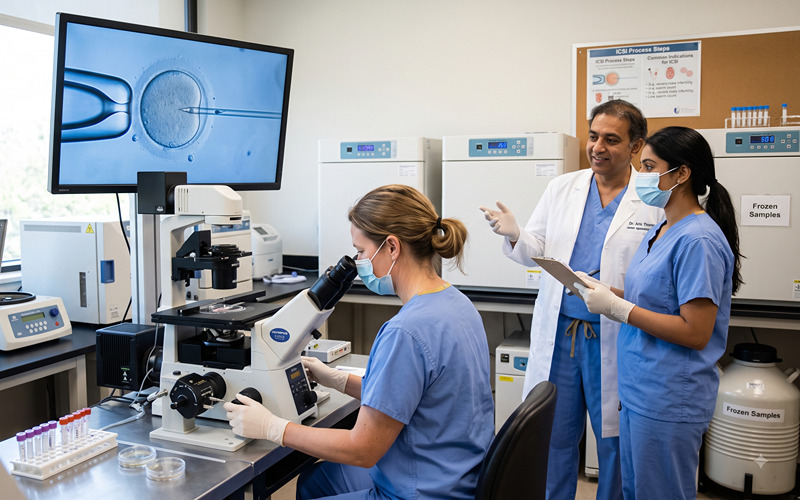
ICSI is a precise IVF technique that entails selecting a healthy sperm and injecting it directly into an ovum. The embryo is cultured until it reaches the blastocyst stage on day five before being transferred into the uterus for continued growth. This procedure is particularly advantageous for couples facing male-factor infertility or female issues such as low egg reserves or uterine health problems.

How Does ICSI Work & Why Is It Required?

ICSI (Intracytoplasmic Sperm Injection) is a specialised fertilisation technique that involves selecting a single, healthy sperm and directly injecting it into the mature egg. This method bypasses natural fertilisation barriers, enhancing the chances of conception. The resulting embryo is nurtured in a controlled environment before potential transfer to the uterus. ICSI addresses male factor infertility, failed IVF attempts, and challenges due to advanced maternal age or blocked fallopian tubes, offering hope for successful pregnancy.


What Is the Success Rate of ICSI?

ICSI has a success rate of fertilising 50% to 80% of eggs. Furthermore, regardless of whether couples undergo IVF with or without ICSI, the probability of conceiving a single baby, twins, or triplets remains consistent.

Why Choose Parency IVF for ICSI?

Choosing Parency for ICSI offers several advantages:
Get Started

Book an Appointment Today

Get A Free Consultation
Contact Us

Book an Appointment